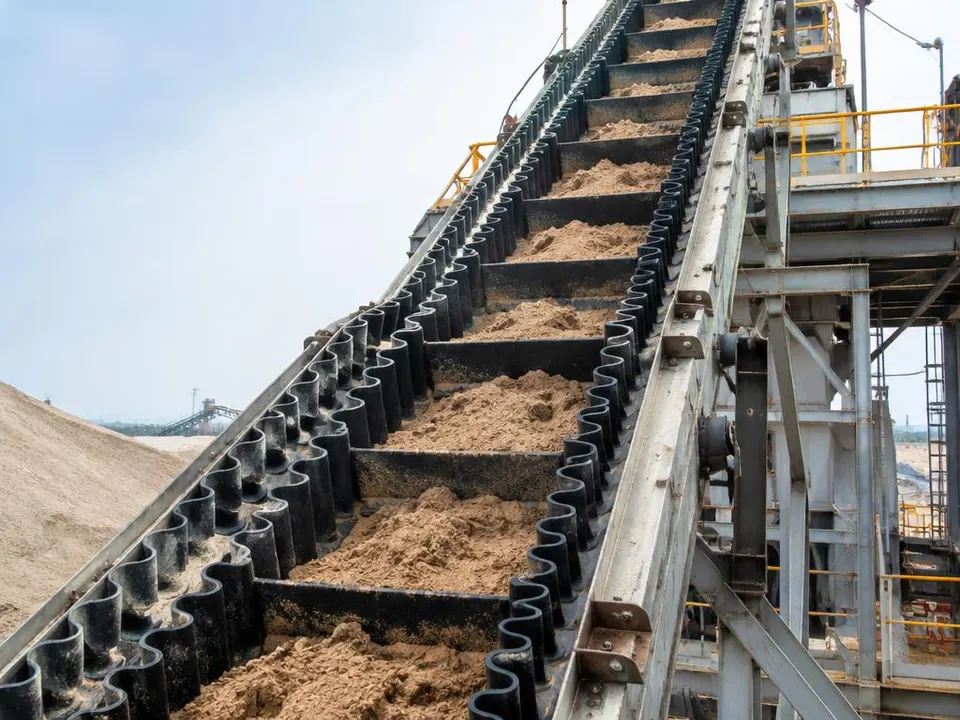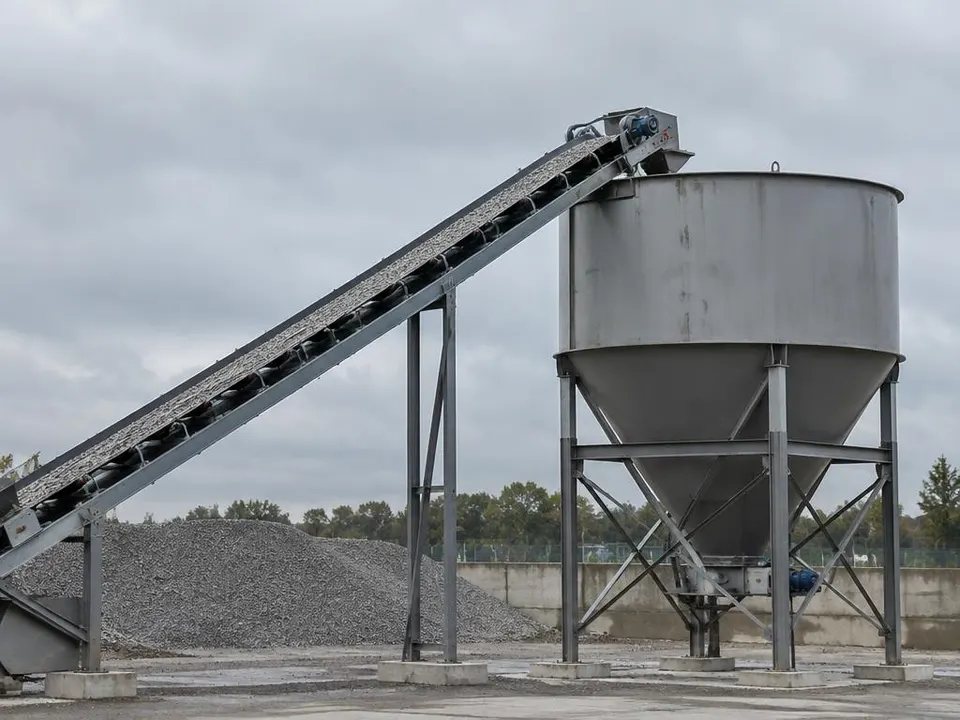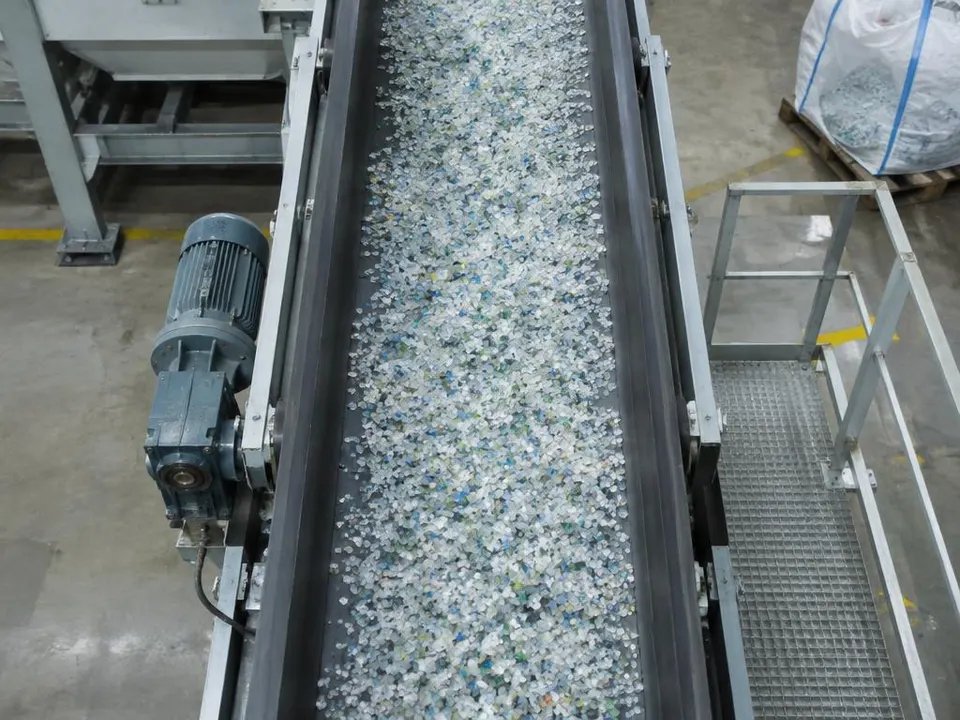
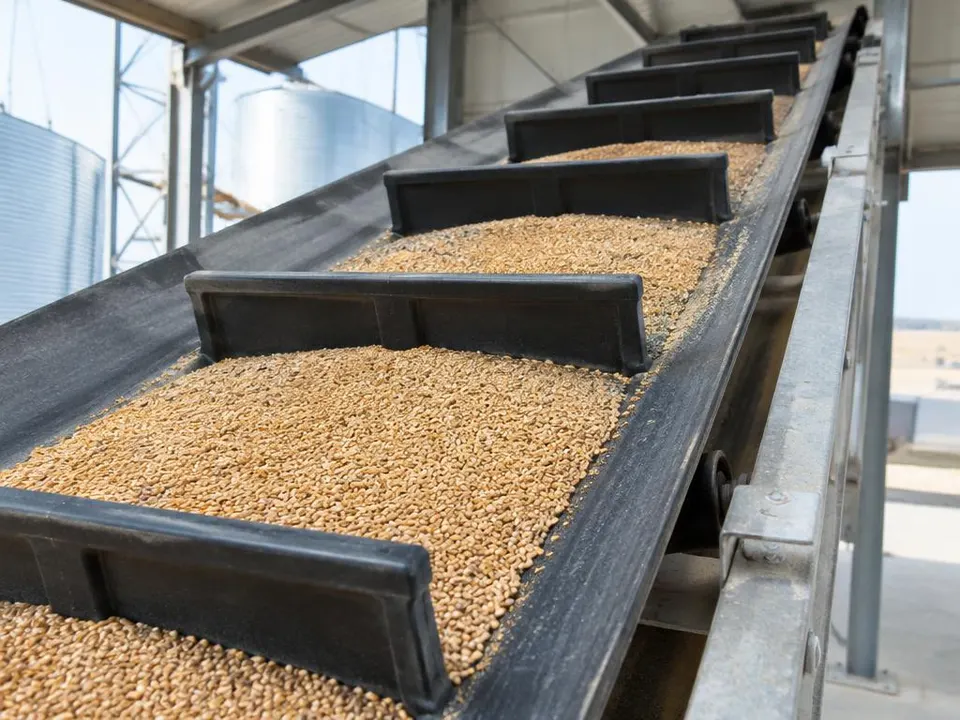
Sidewall and cleated belts extend conveyor technology to steep and space-saving routes. The cleated conveyor belt is designed for inclined sections where bulk materials or unit loads are positively conveyed using transverse cleats. Conveyor belt with transverse cleats for positive material transport on inclined sections. In the ABT catalogue the product is listed under the internal reference ABT-SW-002; this reference identifies your enquiry and is not a certified manufacturer part number.
Technical design: Transverse cleats in T-, C-, or straight profiles are vulcanised or welded onto the base belt, defining the conveying pockets. Typical material options include rubber or synthetic base belt and cleats made from matching material. The right combination depends on the conveyed material, operating conditions, environment and the existing plant. Cleat height and pitch depend on grain size, throughput, and inclination angle, and also influence discharge and belt cleaning.
Key features include positive material engagement, various cleat profiles, vulcanised or welded and suitable for bulk materials and unit loads. Typical fields of application are agriculture and animal feed, building materials, recycling and packaged goods. Depending on the process, these environments involve different loads such as abrasion, moisture, temperature, contact with media or changing loads, which should be assessed together during selection.
Configurable options include cleat height, cleat pitch, cleat profile and notched cleats for guide rollers. The specific design is agreed per project; ABT states binding dimensions, performance values, certifications or delivery times only after technical clarification and review of the manufacturer documentation. For operators, the benefits lie in reliable inclined conveying, defined throughput and versatile configurations.
A qualified enquiry is helped by details of the conveyed material, throughput, belt width, centre distance, inclination, speed, ambient temperature and existing splice type. Photos of the existing installation, rating plates or drawings make the assessment easier. Safety note: Scrapers on cleated belts must be matched to the cleat geometry.
Across the full life cycle, regular visual inspection of the cleated Conveyor Belt as part of plant inspection is worthwhile. Wear patterns, contamination, unusual noise or tracking deviations give early indications of required action. Documented maintenance intervals, suitable spare parts and trained staff help to avoid unplanned downtime and protect the investment in the long term.