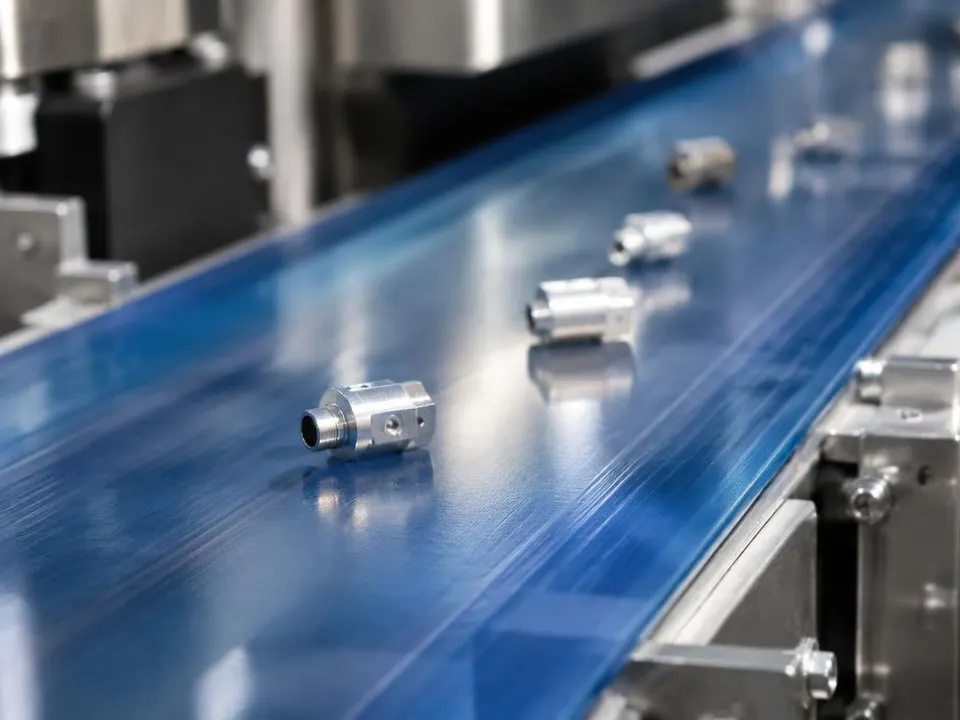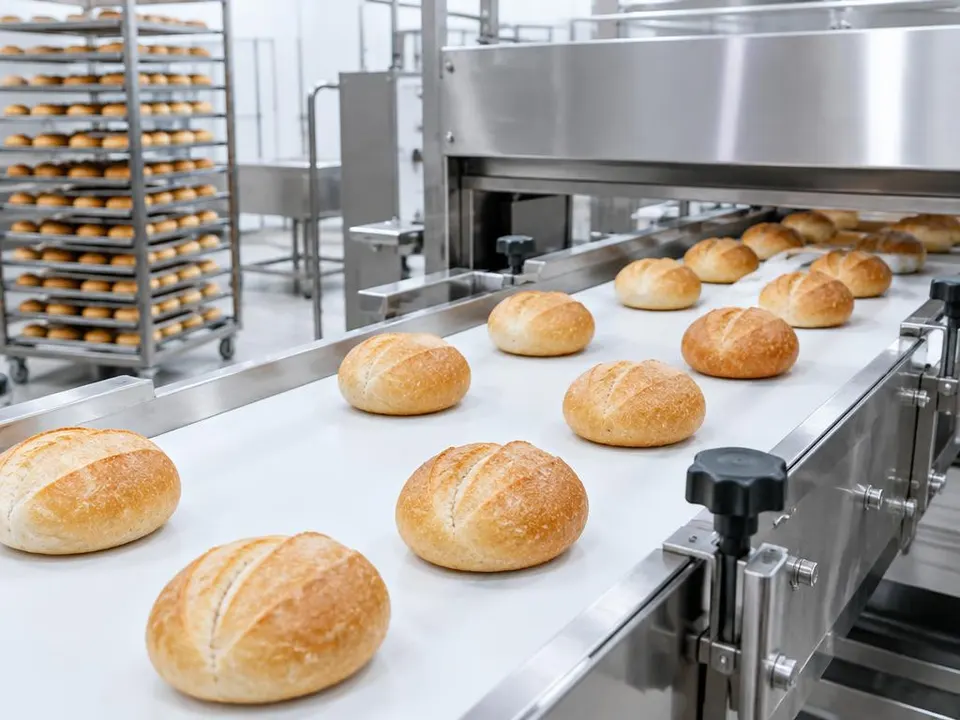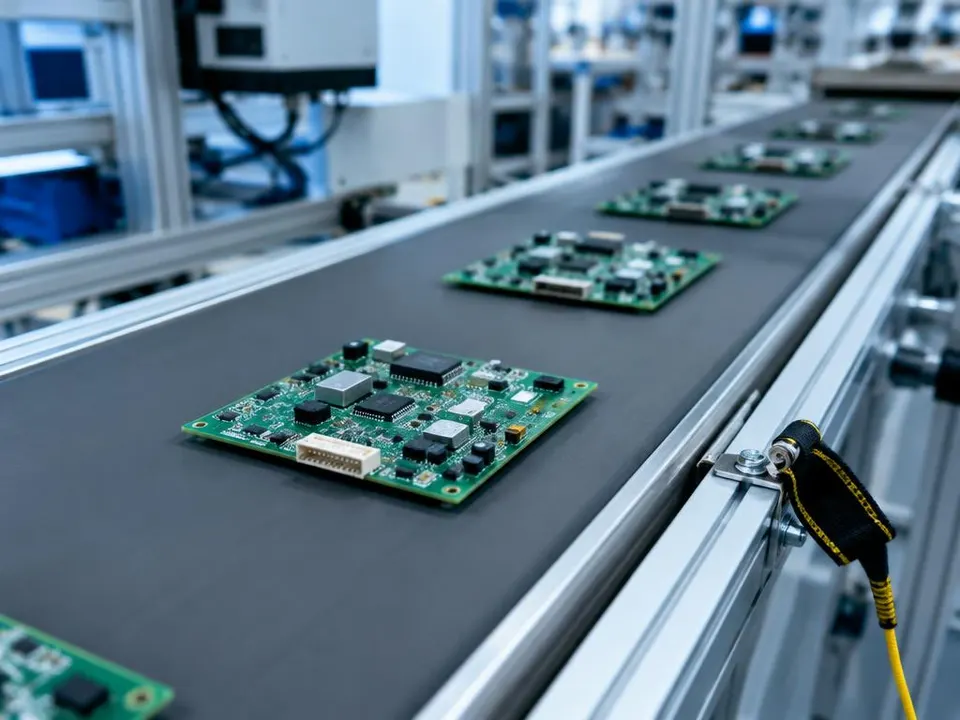
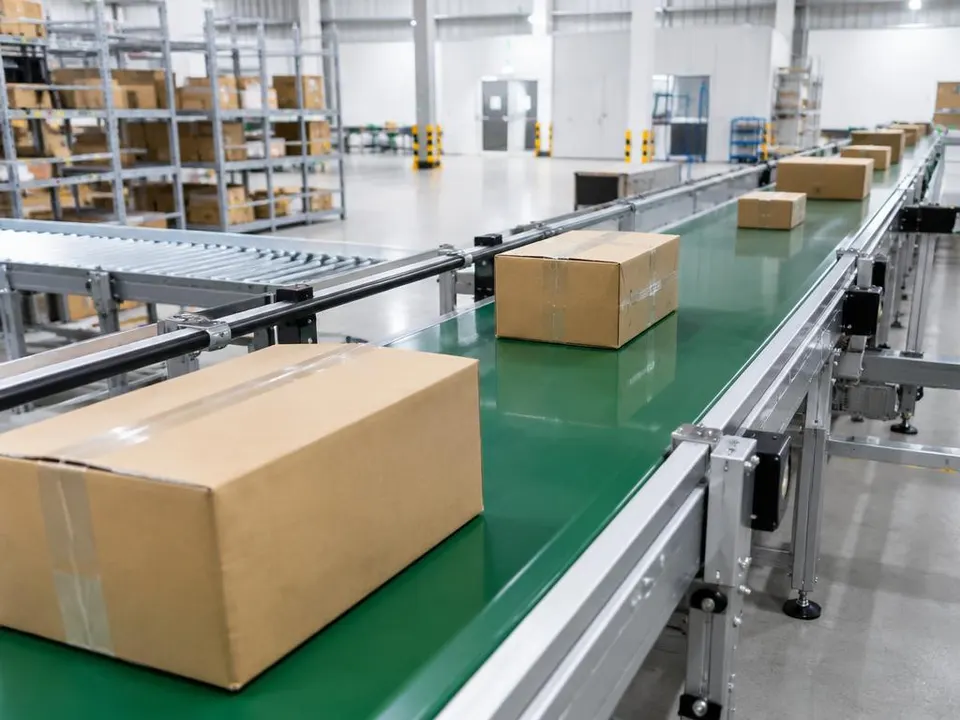
PVC and PU belts shape unit-load conveying in production and logistics. The PVC conveyor belt is designed for conveying cardboard boxes, parcels, small parts and packaged goods in production and logistics environments. Lightweight synthetic conveyor belt for unit loads, packaging and intralogistics. In the ABT catalogue the product is listed under the internal reference ABT-PU-001; this reference identifies your enquiry and is not a certified manufacturer part number.
Technical design: A polyester fabric tension member is coated with PVC, available with smooth, matt, structured or high-grip surface finishes. Typical material options include polyester fabric and pVC coating. The right combination depends on the conveyed material, operating conditions, environment and the existing plant. Typical installations include roller and slider bed conveyors, sorting systems, order picking areas and assembly lines handling moderate loads.
Key features include lightweight, flexible construction, various surface textures, suitable for slider bed and roller support and spliceable endless. Typical fields of application are parcel and distribution logistics, packaging lines, assembly and test stations and print and paper converting. Depending on the process, these environments involve different loads such as abrasion, moisture, temperature, contact with media or changing loads, which should be assessed together during selection.
Configurable options include surface profiling, colour subject to availability, edge sealing and cleats or tracking guides. The specific design is agreed per project; ABT states binding dimensions, performance values, certifications or delivery times only after technical clarification and review of the manufacturer documentation. For operators, the benefits lie in cost-effective for unit loads, quiet, smooth running and simple fabrication.
A qualified enquiry is helped by details of the conveyed material, throughput, belt width, centre distance, inclination, speed, ambient temperature and existing splice type. Photos of the existing installation, rating plates or drawings make the assessment easier. Safety note: In-running nip points at pulleys and transfer locations must be safeguarded.
Across the full life cycle, regular visual inspection of the pVC conveyor belt as part of plant inspection is worthwhile. Wear patterns, contamination, unusual noise or tracking deviations give early indications of required action. Documented maintenance intervals, suitable spare parts and trained staff help to avoid unplanned downtime and protect the investment in the long term.